Skip to content

Exploring urban innovation through mobility networks and smart infrastructure.

Jungle Ripple explores the evolving relationship between people, technology, and urban spaces. Our blog focuses on how connected cities and intelligent mobility shape daily life. We examine the systems that make modern transport safer, cleaner, and more responsive.

What We Do

At Jungle Ripple, we study how connected cities integrate technology with everyday life to create more responsive environments. Our work involves analyzing the data behind traffic technology and understanding how it influences decisions made by city planners and commuters alike. We examine the subtle ways intelligent mobility changes the rhythm of urban spaces, from peak hours to quiet neighborhoods. By observing patterns in mobility networks, we identify trends that may shape the next generation of infrastructure. Our approach is rooted in curiosity and a commitment to exploring the human side of urban systems.

We also explore how smart infrastructure can adapt to shifting needs, whether through flexible lanes or dynamic signaling. Our articles consider the interplay between physical design and digital tools, highlighting how connected cities use information to improve flow. We are interested in the social dimensions of urban transport, including accessibility and community engagement. Through our writing, we aim to demystify complex technologies and show their relevance to everyday life. Jungle Ripple is a space where ideas about movement and place come together in thoughtful dialogue.
Why We Write

Understanding the Urban Pulse

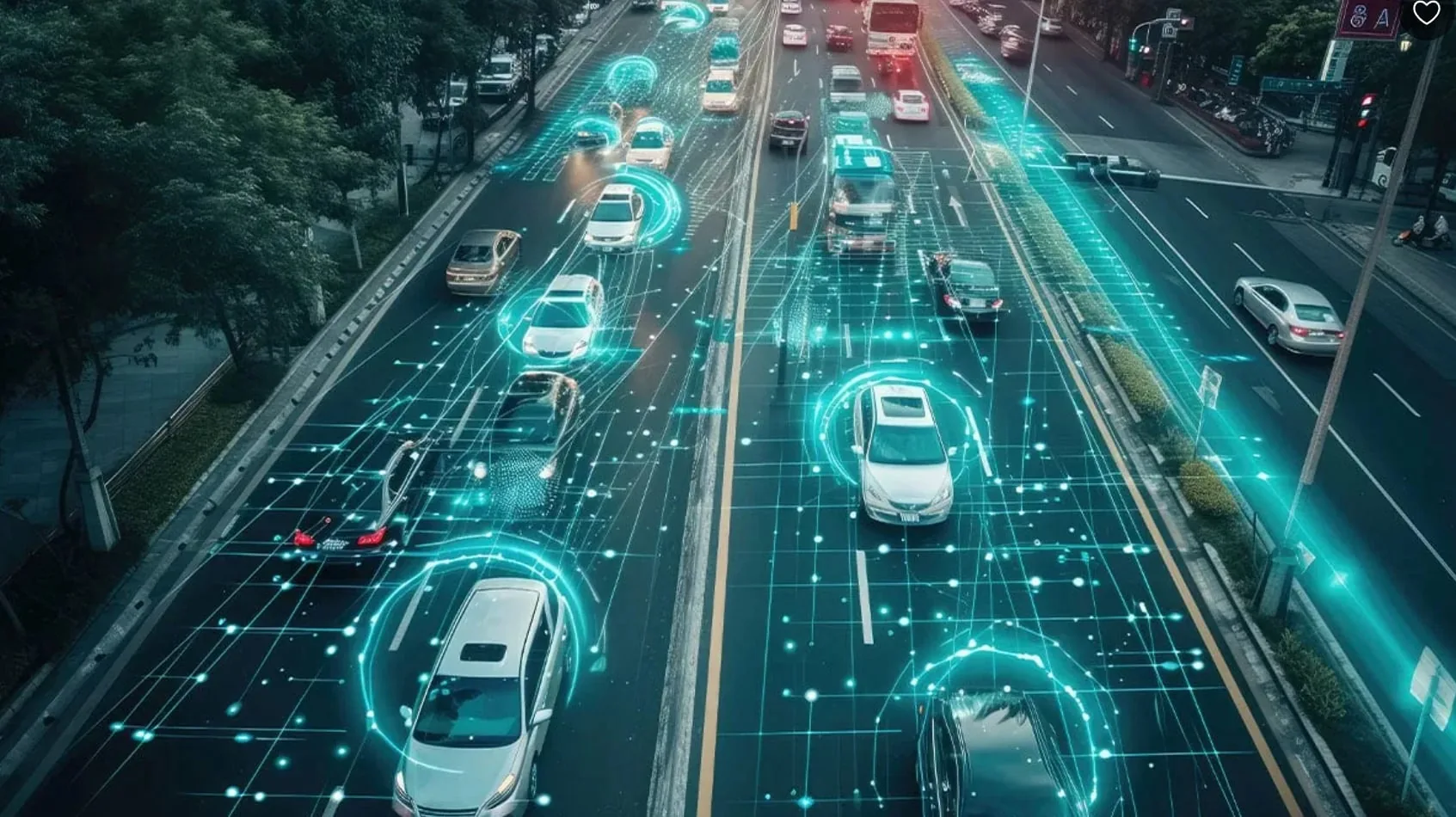
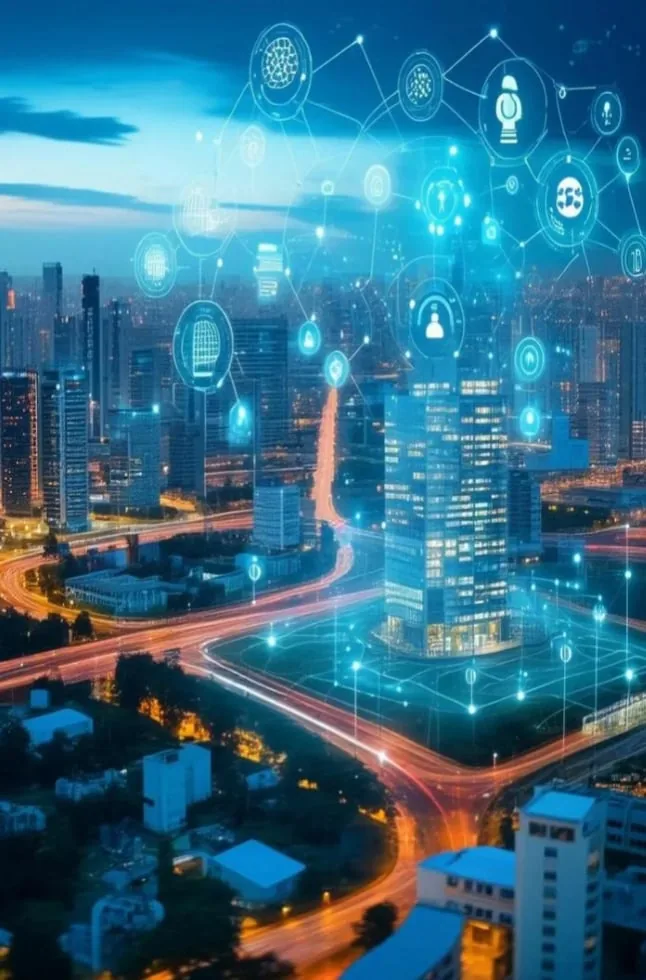
Cities are living organisms, and their circulatory systems are mobility networks. At Jungle Ripple, we believe that observing traffic technology reveals much about how communities function and grow. By studying smart infrastructure, we gain insight into the challenges and opportunities of modern urban life. Our goal is to make these complex topics accessible and engaging for all readers.

01

Designing for Movement

Every journey, whether by foot, wheel, or rail, is part of a larger story about connected cities. We write about the systems that coordinate this movement, from adaptive signals to shared transport platforms. Intelligent mobility is not just about speed—it is about access, equity, and environmental responsibility. We aim to highlight innovations that prioritize people and places.

02

Building Tomorrow Together

The future of urban transport belongs to collaborative efforts and shared knowledge. Jungle Ripple serves as a space for conversation about how technology can serve communities better. We discuss the role of urban transport in reducing congestion and improving quality of life. Our blog brings together ideas from various fields to paint a fuller picture of what is possible.

03

Blog

The Role of Data in Shaping Connected Cities

Data flows through every aspect of modern urban life, influencing how we move and interact. Understanding these flows is essential for designing intelligent mobility systems that respond to real-time needs.

READ MORE

Rethinking Urban Transport for a Greener Future

Sustainable mobility is not just about electric vehicles; it requires a holistic view of how people travel. Connected cities offer new ways to integrate walking, cycling, and shared modes into cohesive mobility networks.

READ MORE

How Smart Infrastructure Responds to Daily Commutes

The morning and evening rush hours are the ultimate test for any city's transport system. Smart infrastructure uses predictive tools to smooth these peaks, making commutes more predictable and less stressful.

READ MORE

Mobility Networks and Community Well-Being

Transport is more than a means to an end; it shapes social interactions, economic opportunities, and personal health. Connected cities must consider these human factors when designing mobility networks for the future.

READ MORE

About Us

Jungle Ripple was born from a fascination with how cities breathe and move. Our team is a group of writers, researchers, and thinkers who share a passion for understanding the systems that connect people and places. We believe that intelligent mobility is a lens through which we can view broader social and environmental changes. Our content reflects a deep interest in how traffic technology can support safer, more inclusive communities. We approach each topic with care, seeking to uncover the stories behind the statistics.

Based in Japan, Jungle Ripple draws inspiration from one of the world's most dynamic urban landscapes. Japanese cities offer a unique perspective on connected cities, where tradition meets cutting-edge innovation. We explore how smart infrastructure is applied in dense metropolitan areas and how these lessons might apply elsewhere. Our writing is informed by local observations but speaks to global conversations about urban transport and sustainability. We invite readers from all over the world to join us in exploring the possibilities of mobility networks and their impact on our daily lives.

FAQ

Connected cities use digital systems and sensors to gather and share information about urban environments. These systems help manage resources, services, and infrastructure more efficiently. Intelligent mobility is often a key part of this framework, linking transport options with real-time data.

Intelligent mobility makes journeys smoother by providing up-to-date information about routes and conditions. It can reduce time spent in traffic and make public transport more reliable. When combined with smart infrastructure, it also helps lower emissions and improve air quality in urban areas.

Traffic technology helps cities monitor and manage vehicle and pedestrian movement. It includes sensors, cameras, and algorithms that adjust signals and provide feedback to drivers. This technology is essential for building connected cities that can respond to changing conditions quickly.

Mobility networks connect different modes of transport, allowing people to move seamlessly between options. They are the backbone of urban transport, linking neighborhoods, business districts, and recreational areas. Well-designed mobility networks enhance accessibility and support economic and social activity.

Smart infrastructure uses technology to adapt to the needs of residents in real time. It can improve safety, reduce waste, and make cities more enjoyable to navigate. When integrated with connected cities, smart infrastructure creates environments that are responsive and sustainable.

Contact Us

Contacts