ADDRESS
Mobility Networks and Community Well-Being
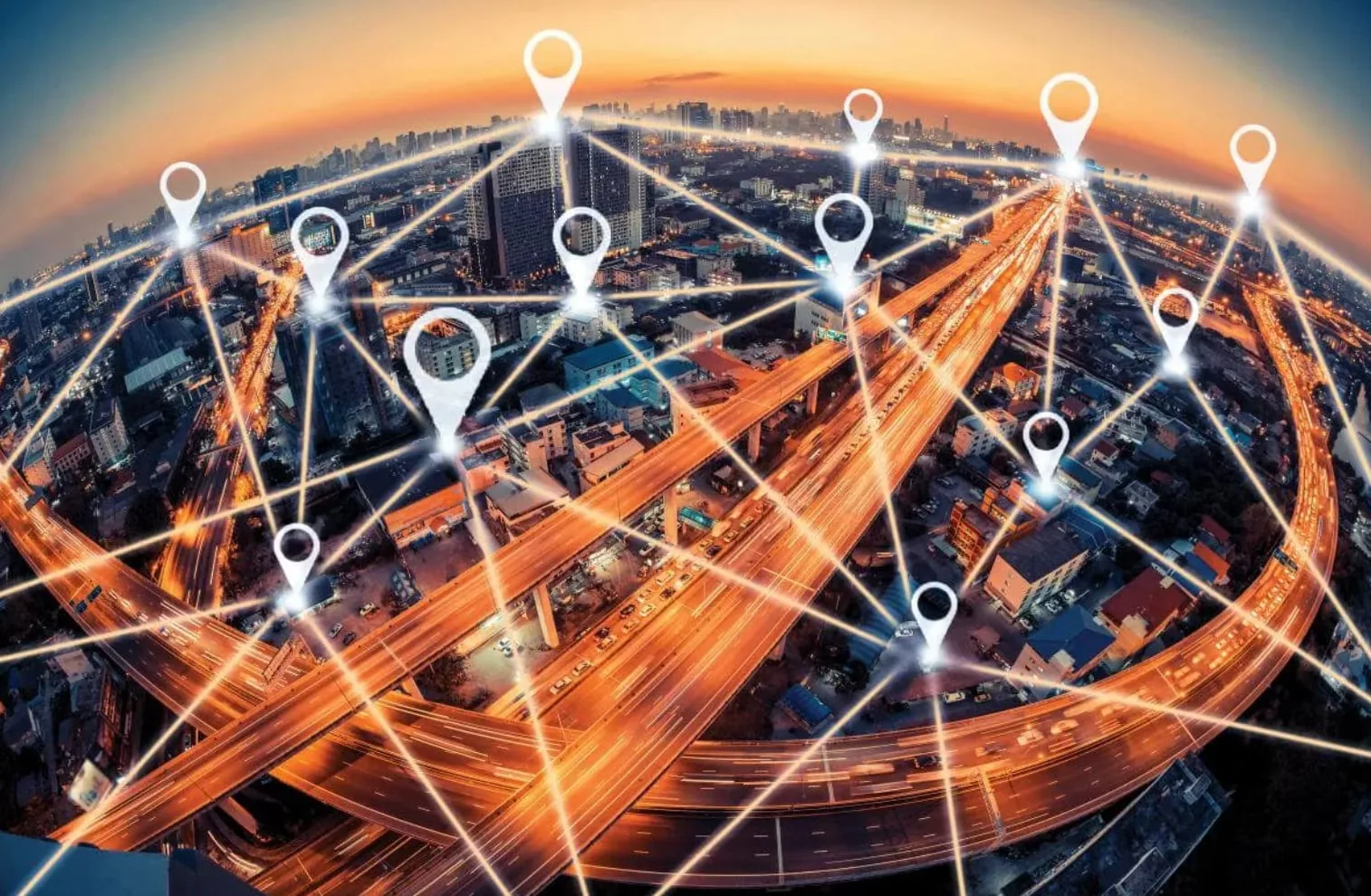
Mobility networks are the threads that weave communities together, connecting homes, workplaces, schools, and recreation areas. In connected cities, the design of these networks directly affects how residents experience their environment and each other. Intelligent mobility goes beyond efficiency to address issues like social isolation and unequal access to services. By integrating traffic technology with community feedback, planners can create routes that serve diverse populations. This people-centered approach ensures that urban transport is not just functional but also enriching.
Smart infrastructure can enhance safety for vulnerable road users, such as children and the elderly, through better crossings and slower zones. Connected cities often pilot projects that prioritize pedestrian and cyclist flows, improving public health outcomes. Urban transport systems that offer reliable, affordable options empower residents to participate more fully in civic life. Mobility networks also play a role in emergency response, helping first responders reach affected areas swiftly. When communities are involved in the planning process, the resulting solutions are more likely to be accepted and sustained.
In Japan, many neighborhoods have embraced the concept of "compact cities" where essential services are within walking distance. This philosophy aligns with intelligent mobility by reducing unnecessary travel and fostering local interactions. Traffic technology supports this by providing data that helps optimize small-scale shuttle services and on-demand pickups. Connected cities of the future will likely measure success not only by speed but by the quality of life they afford. As we continue to explore these connections, we recognize that mobility networks are ultimately about people and their shared experiences.