ADDRESS
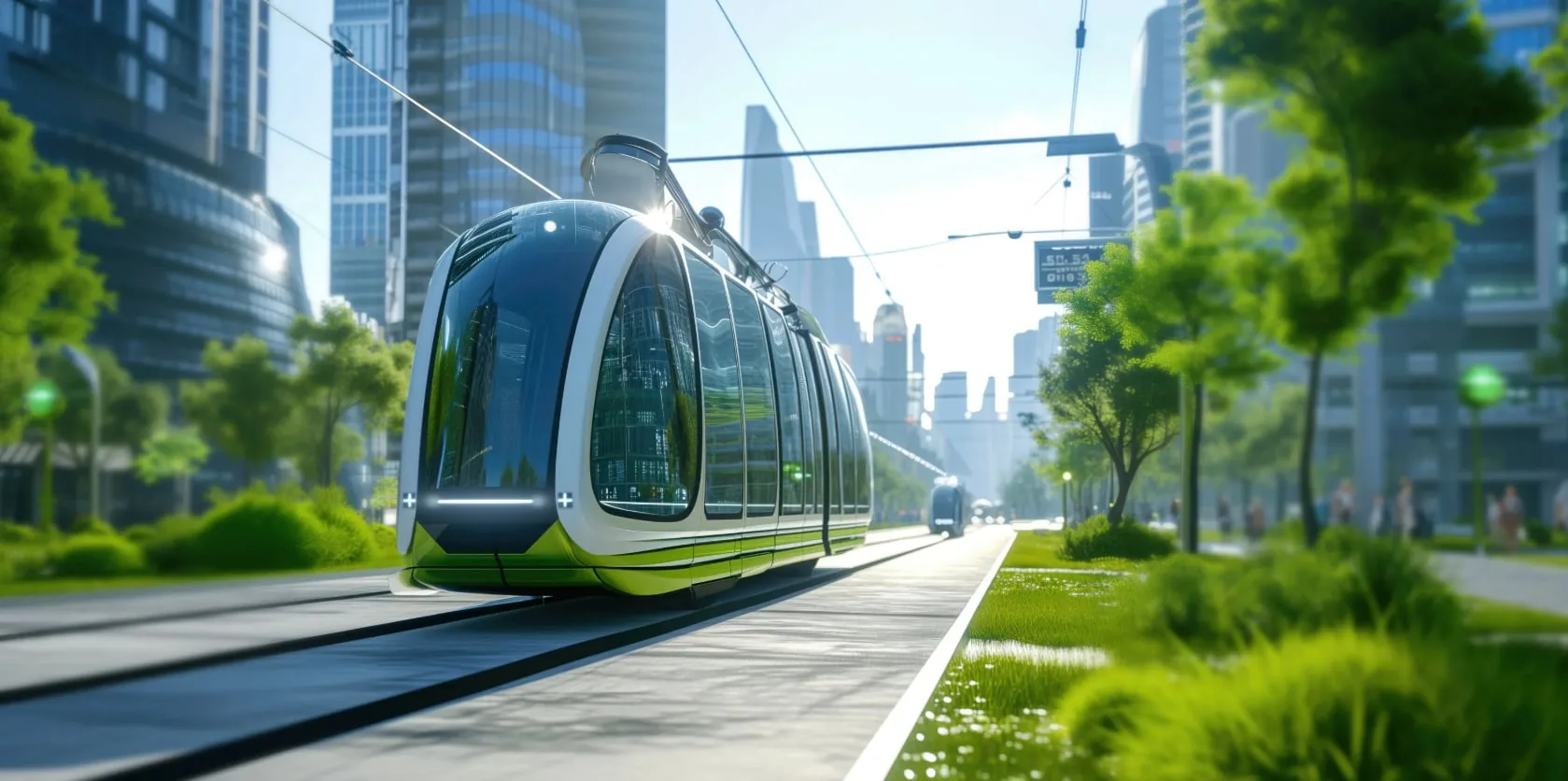
Rethinking Urban Transport for a Greener Future
Urban transport is at a crossroads, with growing populations and environmental concerns demanding fresh solutions. Connected cities provide a framework for reimagining how we move, placing emphasis on efficiency and reduced emissions. Intelligent mobility encompasses not only vehicles but also the infrastructure that supports them, from bike lanes to charging points. By studying traffic technology, we can identify which interventions yield the greatest benefits for air quality and noise reduction. This holistic view encourages a shift away from car-centric planning toward multimodal systems.
One promising avenue is the integration of real-time data into mobility networks, allowing users to compare options based on carbon footprint. Smart infrastructure can guide pedestrians and cyclists through safer, more pleasant routes while balancing vehicle flow. Urban transport planners in Japan have piloted projects that dynamically adjust lighting and crossing times based on foot traffic. These experiments reveal how connected cities can prioritize active modes without compromising overall mobility. The key is to design systems that are flexible and responsive to local contexts.
Beyond technology, cultural attitudes play a significant role in the success of green initiatives. Intelligent mobility should be inclusive, ensuring that all residents have access to sustainable choices. Traffic technology can help by providing clear, accessible information at stops and through mobile apps. As we refine these tools, we move closer to a vision where urban transport is both efficient and kind to the planet. Connected cities worldwide are watching these developments, eager to adapt proven strategies to their own unique environments.