ADDRESS
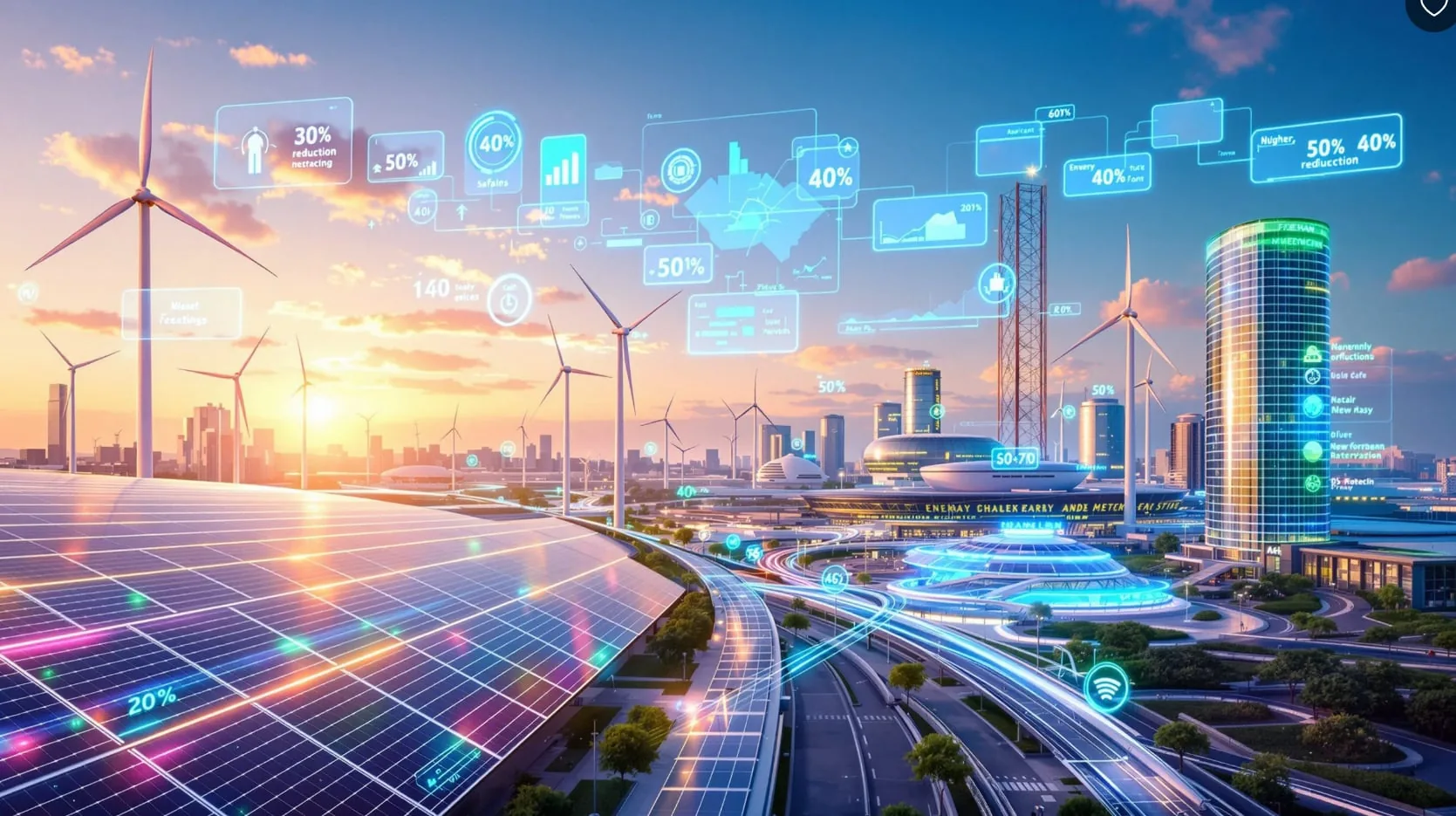
How Smart Infrastructure Responds to Daily Commutes
Every weekday, millions of people navigate the same corridors, creating waves of demand that challenge even the best-designed mobility networks. Connected cities employ traffic technology that monitors flow in real time, adjusting signals and lane assignments as needed. This responsiveness is a hallmark of intelligent mobility, where infrastructure learns from recurring patterns and unexpected events. For instance, if an incident occurs, smart systems can suggest alternative routes to spread the load. Over time, these adjustments become more refined, reducing overall travel times and frustration.
The backbone of this adaptability is a dense network of sensors and communication links that feed into central analytics platforms. Smart infrastructure does not operate in isolation; it collaborates with public transport schedules and ride-sharing services to offer cohesive guidance. Urban transport authorities in Japan have deployed such systems in several major cities, with noticeable improvements in peak-hour reliability. Connected cities also gather feedback from commuters through apps, further enhancing the accuracy of their predictions. This ongoing dialogue between people and infrastructure creates a virtuous cycle of continuous improvement.
However, technology alone cannot solve all congestion issues. Intelligent mobility must be paired with land-use policies that shorten trip distances and encourage off-peak travel. Traffic technology can incentivize flexible hours by displaying real-time occupancy levels at workplaces and stations. When combined with public awareness campaigns, these measures help flatten demand curves and ease pressure on mobility networks. Ultimately, the goal is to make every commute a more pleasant experience, regardless of the time of day.